GB / GBP







 Order Status
 Return Status
 Frequently Asked Questions


Autumn Shoes: Choose by the Weather, Not the Calendar
 Be Lenka
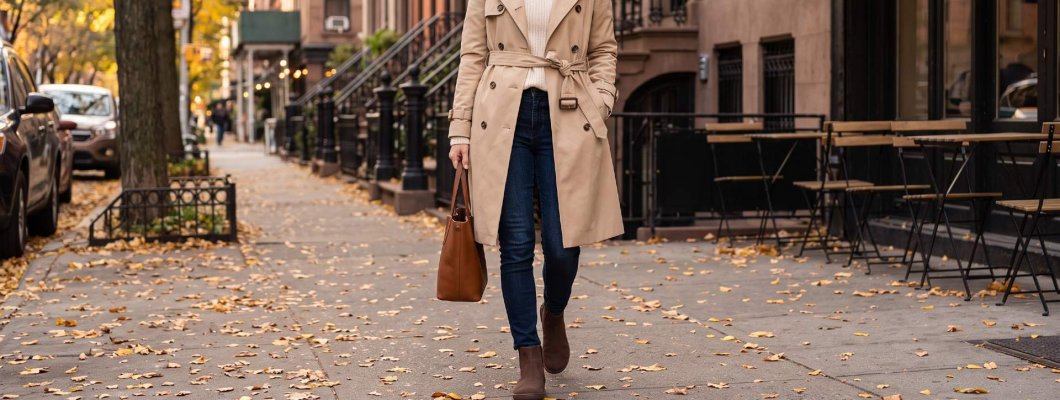
Fog, seven degrees and a damp pavement first thing. Sunshine and close to twenty by lunchtime. Autumn does not have one kind of weather, so autumn footwear cannot be one kind of shoe either. If you stand at the door wondering whether to reach for trainers, ankle boots or something with a waterproof membrane, this guide will help you decide.
Contents
- Why one pair will not see you through autumn
- Shoes for warm autumn days
- The classic autumn morning
- Rainy days
- Low temperatures and first frost
- Outdoor shoes in autumn
- How to choose socks
- How to care for autumn shoes

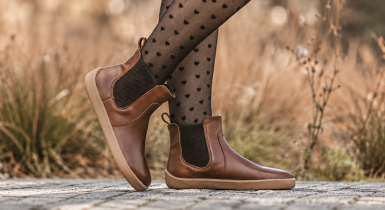
Barefoot Chelsea Boots
Entice Neo - Matt Black
17 colors
Barefoot Chelsea Boots
Entice Neo - Cinnamon Brown
17 colors
Barefoot Chelsea Boots
Entice Neo - Dark Brown
17 colors
Barefoot Chelsea Boots
Entice Neo - All Black
17 colors
Barefoot Chelsea Boots
Entice 3.0 Vegan - Off-White
17 colors
Barefoot Chelsea Boots
Entice 3.0 Vegan - Black
17 colors
Barefoot Chelsea Boots
Entice 3.0 Vegan - Brown
17 colors
Barefoot Boots
Nevada Neo - Chocolate
17 colors
Barefoot Boots
Nevada Neo - Mustard
17 colors
Barefoot Boots
Nevada Neo - Sand & Dark Brown
17 colors
Barefoot Boots
Nevada Neo - All Black
17 colors
Why one pair will not see you through autumn
An autumn morning and an autumn afternoon can feel like two different seasons. On the way to work you are dealing with cold, fog and wet pavements. By the afternoon it is pleasantly warm and even dry. That is exactly why choosing shoes in autumn is not a calendar decision.
Watch three things instead: temperature, moisture and surface. Temperature tells you whether lighter trainers still work or whether you need something more closed and warmer. Moisture decides whether a water-repellent finish on the upper is enough or whether a waterproof membrane is the better call. Surface tells you whether a city shoe will do or whether a lugged sole makes more sense. And then there is how cold it actually feels.
What is the "feels like" temperature? You hear it in every forecast. It describes how your body actually experiences the air outside. It is shaped not only by the number on the thermometer but by wind, humidity and sunlight. Wind sharpens the cold, damp and rain pull heat away from the body faster, while sun and active movement do the opposite. That is why 10 °C can feel comfortable on a dry sunny day, while the same 10 °C in wind and rain calls for warmer or more protective shoes.
What barefoot shoes for what autumn weather
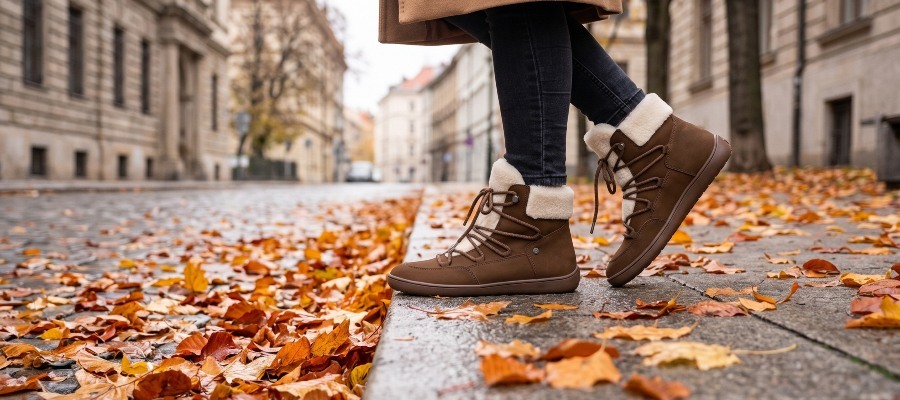
If you are not sure which temperature range still works with lighter shoes and which one calls for insulated ankle boots, use the quick-reference table at the end of this article. It works as a practical cheat sheet when you are choosing autumn barefoot shoes. First, let us take it range by range.
Warm autumn days: 15 – 20 °C
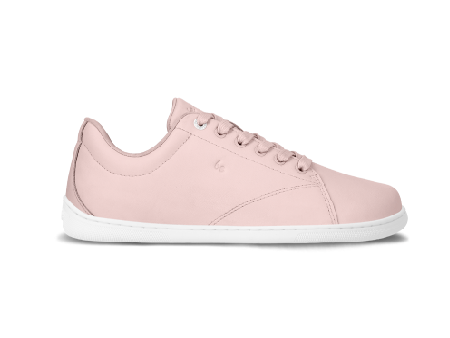
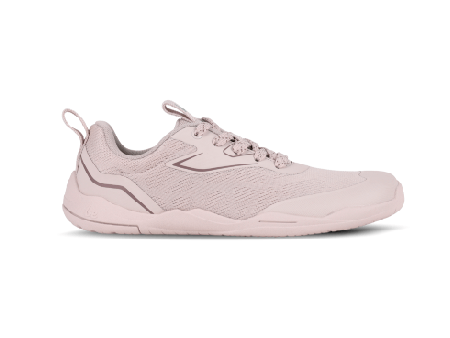
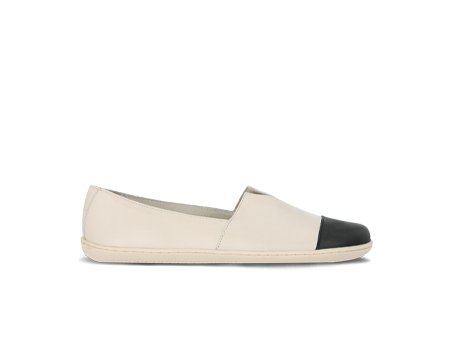
On warm September days or sunny October afternoons you do not need insulated models yet. Switching to warmer shoes too early makes your feet sweat unnecessarily, and damp feet cool down faster once the temperature drops.
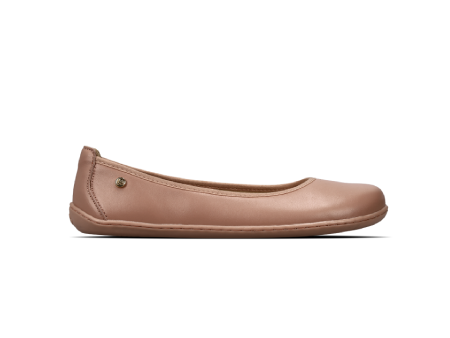
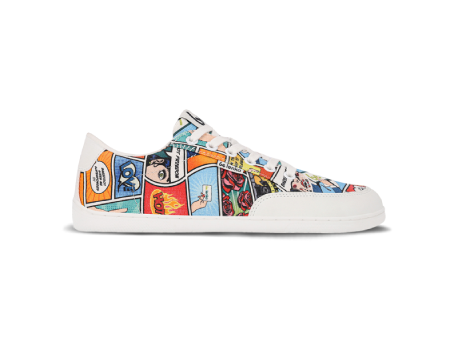
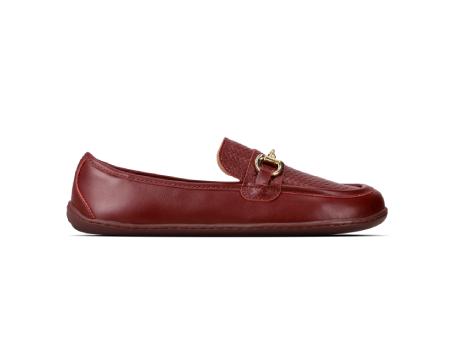
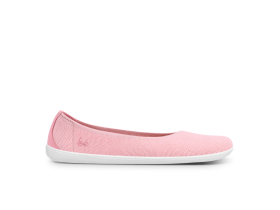
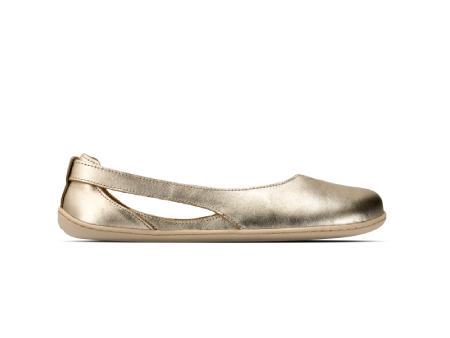
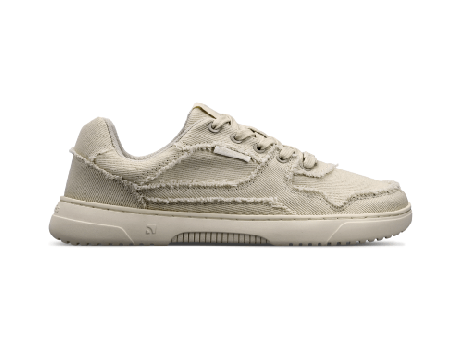
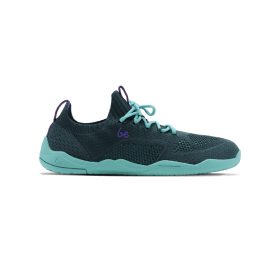
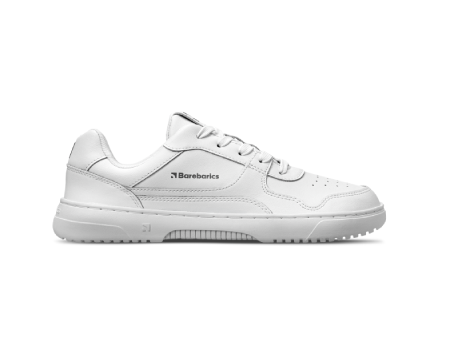
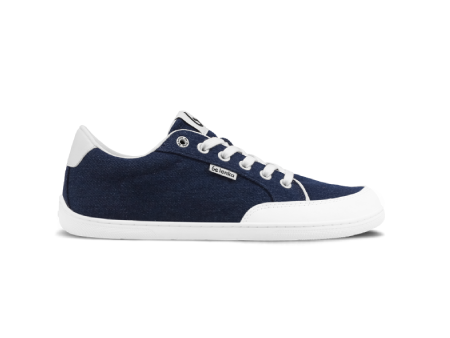
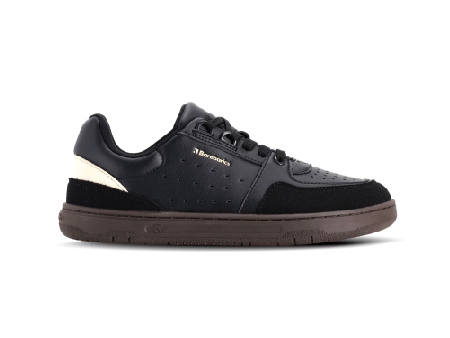
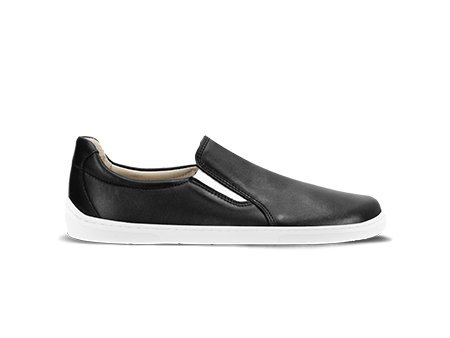
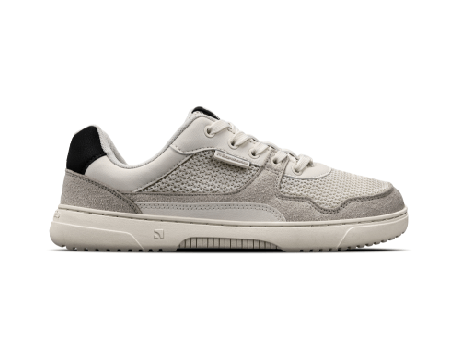
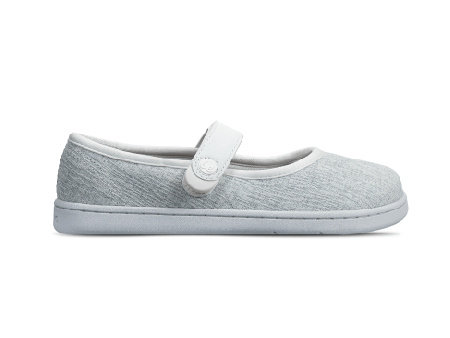
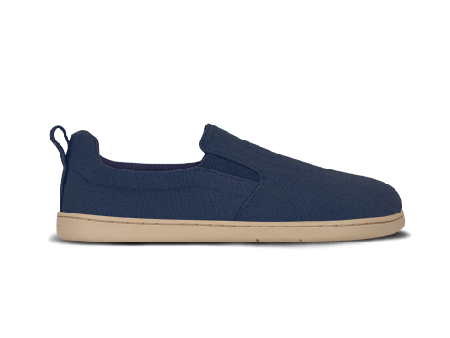
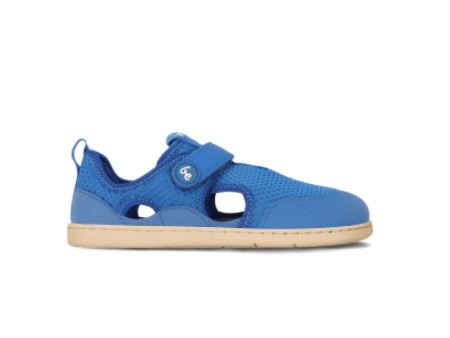
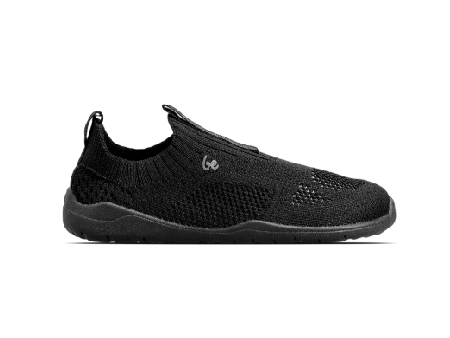
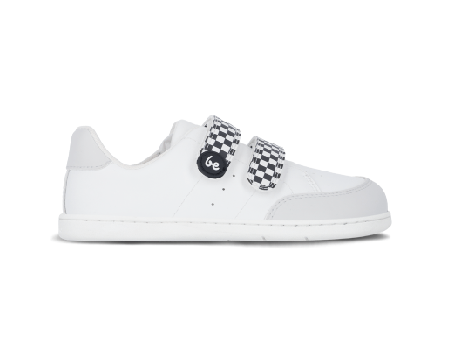
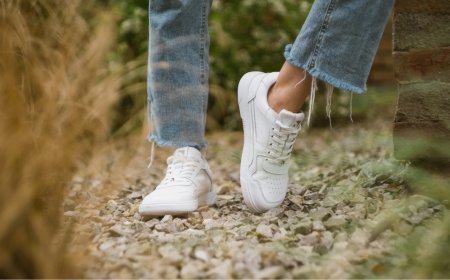
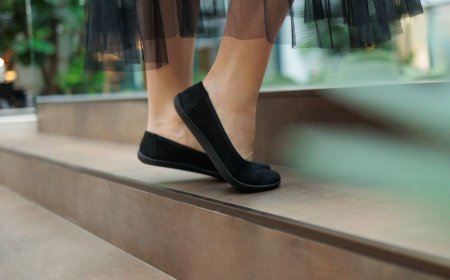
This is the range for breathable barefoot trainers, slip-on styles, loafers or lightweight ballet flats. What matters is that the shoe gives your toes room and still breathes. If your day is mostly moving between home, the office and town by car, a lighter minimalist pair will serve you better than heavy autumn boots.
Carousel models: Rebound · Eazy Neo · Buena · Viva · Sophelia · Zing Fresh · Wave 2.0 · Scoot (kids)
The classic autumn morning: 10 – 15 °C
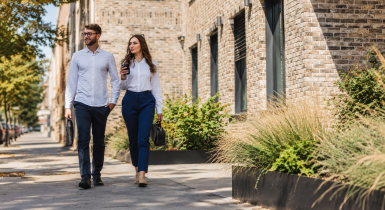
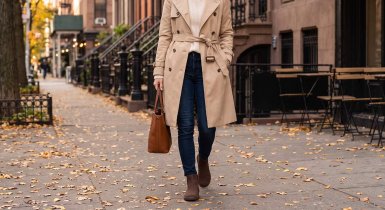
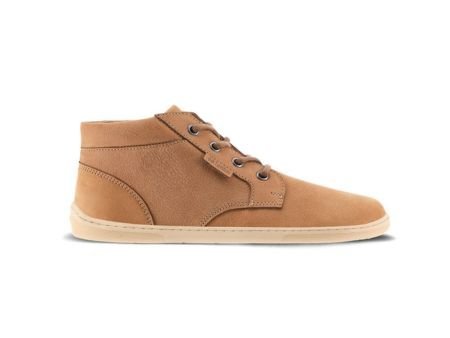
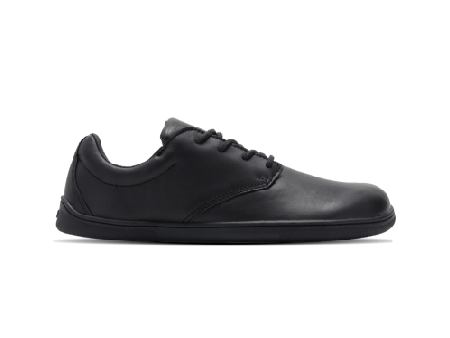
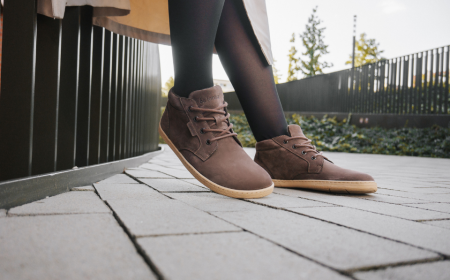
This is where most people start looking for real autumn shoes. Mornings are colder, pavements can be damp, but daytime temperatures are still pleasant. Closed leather styles, lower ankle boots or a sturdier textile upper without insulation are the sweet spot.
Check that the shoe holds securely on your foot, covers the instep and still does not overheat indoors. A good autumn pair handles the morning chill without leaving your feet too warm by the afternoon. Easy upkeep matters too, especially if you are on city pavements every day.
Carousel models: Icono · Cityscape · Synergy · Entice Neo · Zing High Top · Zing · Enigma · Legend
Damp days and wet pavements: 5 – 12 °C
Once the drizzle sets in, you need shoes with real protection against moisture. The question we hear most often is the difference between a water-repellent finish and a waterproof membrane.
A water-repellent finish sits on the surface. It helps water bead up and roll off the upper instead of soaking straight into the material. It is enough for light damp, morning dew, fog or a short shower, and it needs refreshing with a protector spray a few times each season.
A waterproof membrane goes a step further. Be Lenka developed its own technology, DryFlexTech, which protects the shoe across the upper and from underneath. It sits inside the construction, between the upper and the lining. It blocks moisture from getting in while still letting water vapour escape, so the shoe stays breathable and your feet do not end up damp from the inside. Wet pavements, rain and melting snow stop being a problem. A membrane still does not make a shoe suitable for wading, standing in water or extreme conditions, and we would rather say that plainly than oversell it.
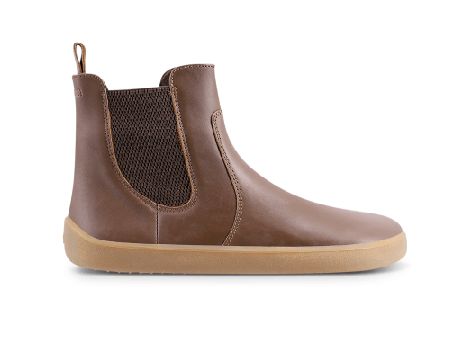
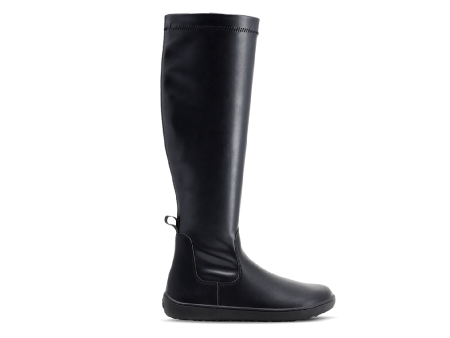
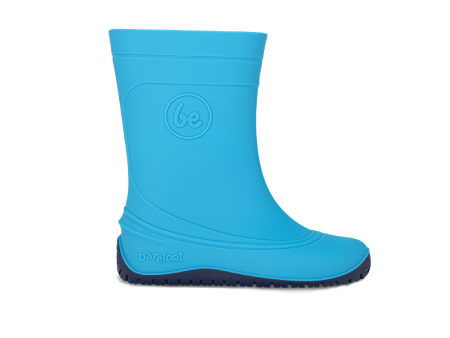
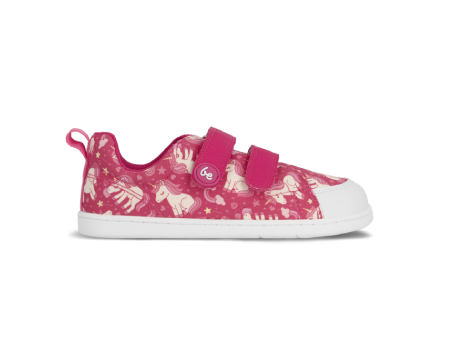
Height helps in the rain as well. Ankle boots and Chelsea boots keep out both cold and the water that gets in from above. If it rains all day and you are crossing puddles, a leather ankle boot without a membrane may not be enough. For children, wellies are the simpler answer.
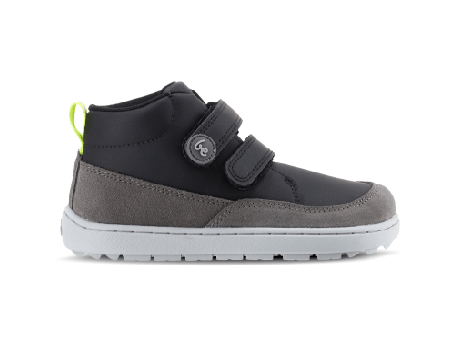
Carousel models: Nevada Neo · Rebound Thermo · Athena · Entice 3.0 Vegan · Elio (kids) · Pudds (kids wellies)
Low temperatures and first frost: 0 – 10 °C
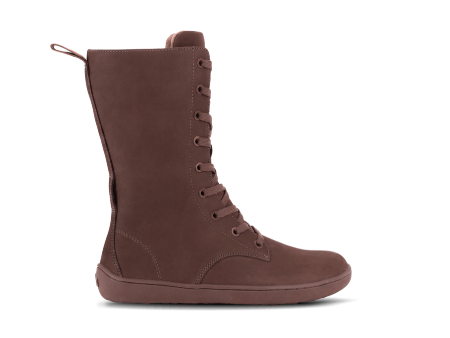
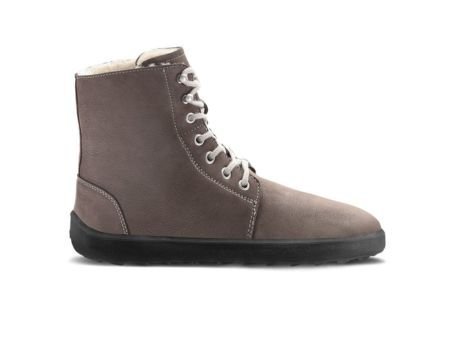
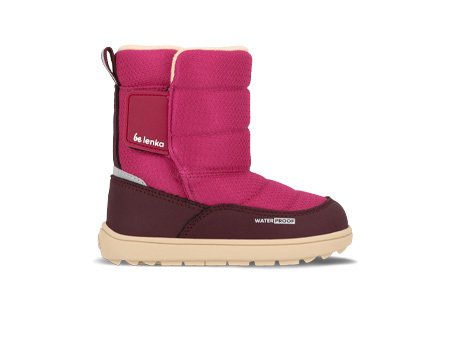
When the first frost appears in the morning, light autumn styles stop being enough. This is when insulated autumn barefoot shoes come in, for example models with fleece lining, or taller boots that protect your calves as well as your ankles. They can still feel lighter than winter footwear while giving your feet noticeably more warmth on cold mornings.
It helps to name the line clearly. If it stays below freezing all day, there is snow on the ground or you are moving through wet winter terrain, leave the autumn shoes at home. Winter models are built for sustained cold and harder conditions.
Carousel models: Evon · Symphony · Zing Frost · Winter 3.0 · ArcticEdge · UrbanEdge · Zippu (kids)
Outdoor shoes: woods, fields, light hiking
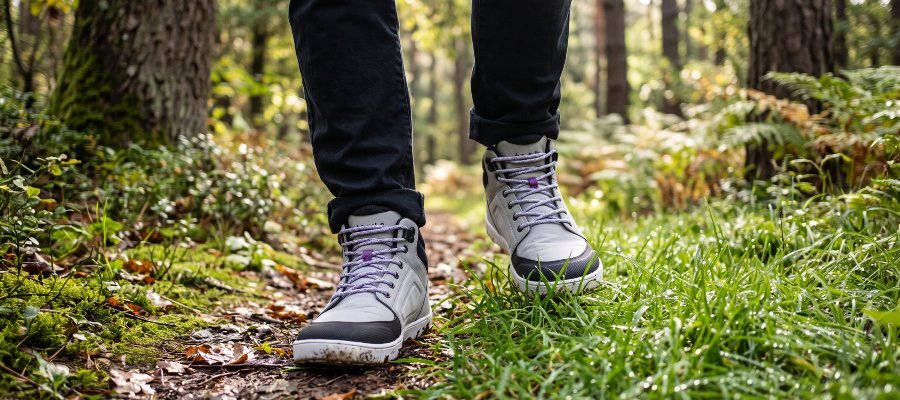
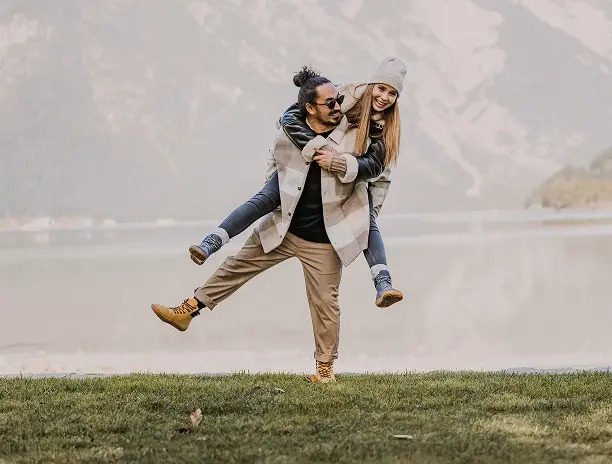
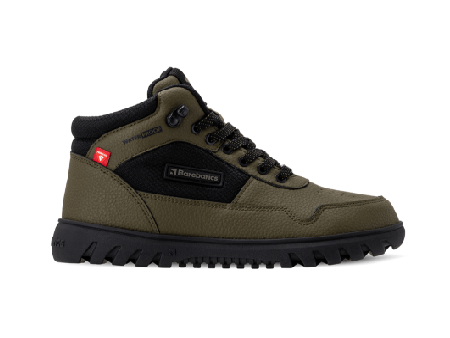
Autumn walks, foraging, trips into the woods or light hiking ask for something different than a city pavement. On rocky ground, roots or forest tracks you want a more durable build and a lugged sole. That is what outdoor barefoot shoes are for.
A lugged sole simply means the bottom of the shoe is not smooth. It has a shaped tread with grooves or lugs that improve grip on uneven, loose or wet ground. With outdoor models it is also worth checking the durability of the upper, the level of moisture protection and how securely the shoe holds on your foot.
A minimalist build has a real advantage on slick autumn ground. A thin, flexible sole lets you feel what is under your foot, so your body reacts to a slippery root or loose gravel sooner. Security comes from the foot reading the terrain, not from a thick block of cushioning.
Carousel models: Trailtech · Trailwalker 3.0 · Trailair
Quick reference: autumn shoes by weather
| Temperature / terrain* | Conditions | Shoe types | Models |
|---|---|---|---|
| 15 – 20 °C | dry (September, warm October afternoons) | Trainers, slip-ons, loafers, light ballet flats — breathability still matters more than insulation. | Rebound, Zing, Eazy Neo, Sophelia, Buena, Viva, Wave 2.0, Scoot |
| 10 – 15 °C | dry to lightly damp (the typical autumn morning) | Closed leather styles, lower ankle boots — the classic autumn category. | Icono, Synergy, Entice Neo, Zing High Top, Cityscape, Zing, Enigma, Legend |
| 5 – 12 °C | damp, light rain, wet pavements | Ankle boots with a water-repellent finish, Chelsea boots — the higher cut keeps out cold and water from above. | Nevada Neo, Rebound Thermo, Allure, Elio, Athena, Entice 3.0 Vegan |
| 5 – 12 °C | steady rain and standing water | Shoes with a waterproof membrane, or wellies. | Pudds |
| 0 – 10 °C | morning frost | Insulated autumn models with fleece lining. The line where winter starts. | Evon |
| Autumn outdoors | woods, fields, city parks, light hiking | Outdoor models with a lugged sole and a more durable upper. | Trailwalker 3.0, Trailtech, Trailair |
* Temperature ranges are a guide, not a rule. Warmth also depends on your socks, the "feels like" temperature and how sensitive you are to cold.
Your socks matter more than you think
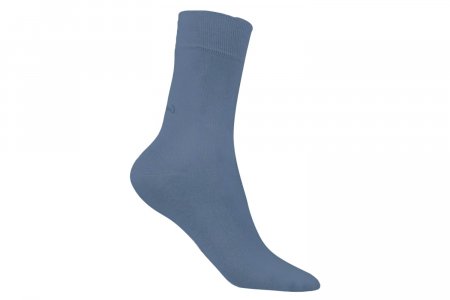
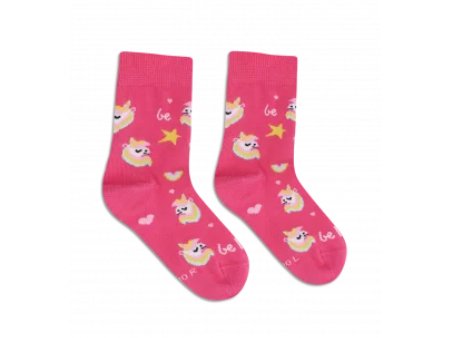
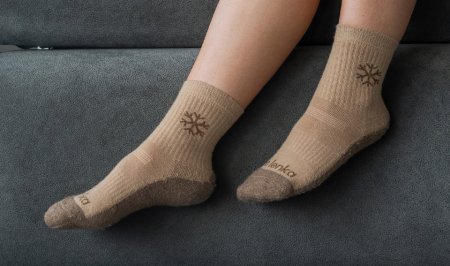
One of the easiest ways to adapt autumn shoes to the weather is socks. A thin sock keeps the same shoe feeling airy on warmer days, while a thicker or merino wool sock can make it feel warmer by a few degrees.
Merino is popular because it regulates temperature, breathes well and absorbs moisture naturally. With thicker socks, though, keep an eye on the space inside the shoe. If a pair is already snug with thin socks, a heavier sock can press on your toes or instep. When you size autumn shoes, factor in the socks you will actually be wearing.
How to care for autumn shoes so they last the season
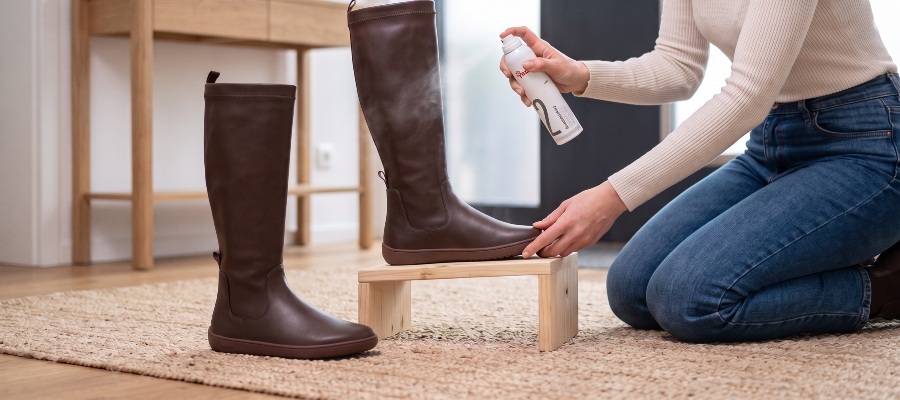
Autumn shoes take more of a beating than summer trainers. Wet pavements, mud, rain and swinging temperatures show up on the material quickly. Regular cleaning and protection pay off.
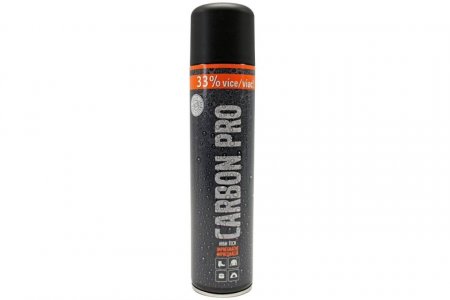
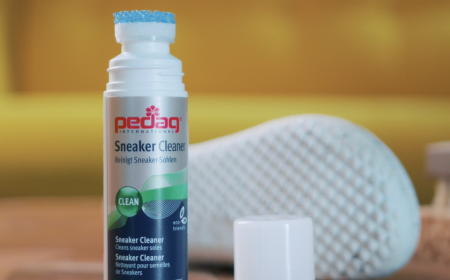
Apply a protector spray before the first wear, then as needed — ideally two to three times per season, and always after a real soaking. When you take the shoes off, clear away dirt, especially mud and grit. Do not dry wet shoes on a radiator or next to a direct heat source. Pull out the insole, stuff the shoes with absorbent paper and let them dry at room temperature. You will find the right products in shoe care.
What barefoot shoes are best for autumn?
+ -In autumn, do not choose barefoot shoes by type alone — choose by temperature, moisture and surface. On warmer dry days trainers or lighter styles are plenty. Cold mornings call for closed autumn shoes, and rain or wet terrain calls for a higher cut and more protection. The decision table above is the fastest way to match a pair to the day.
What temperatures are autumn barefoot shoes good for?
+ -As a rough guide, autumn barefoot shoes work from about 5 to 20 °C. It always depends on the socks you wear, how much you are moving and how sensitive you are to cold. A slow walk through town and an active day on your feet call for different levels of warmth.
Are autumn barefoot shoes waterproof?
+ -Not all of them. Many models have a water-repellent finish that handles light rain, damp pavements or brief contact with a wet surface. If you plan to be out in steady rain, wet grass or tougher conditions, choose a model with a waterproof membrane such as DryFlexTech instead.
How do I choose barefoot shoes for transitional weather?
+ -For transitional weather, look for a closed upper, no heavy insulation and ideally a water-repellent finish. A lighter pair is often more practical than an insulated one at this time of year, because temperatures swing so much during the day. The shoes should handle the morning chill and damp without leaving your feet too warm by the afternoon.
What is the difference between autumn and winter barefoot shoes?
+ -Mostly insulation and construction. Autumn barefoot shoes are lighter, less insulated and suited to roughly 5 to 20 °C. Winter barefoot shoes are built for lower temperatures, usually handle below-freezing days and have heavier insulation or a construction made for snow, frost and longer stretches in the cold.
How much room should I leave in autumn barefoot shoes?
+ -Plan on about 0.5 – 1.2 cm (roughly 0.2 to 0.5 inches) of room beyond your longest toe, depending on the style and how you wear it. Remember that colder days mean thicker socks, which need more space. Measure your foot and compare it with the size chart for the specific model rather than relying on your usual shoe size.
How often should I re-apply waterproofing spray?
+ -Treat autumn shoes before the first wear and then roughly two to three times per season. Refresh the treatment after a heavy soaking or after a stretch of wearing them in rain and damp. Always clean the shoes first, let them dry at room temperature, and only then apply the protector.
Can one pair get me through the whole autumn?
+ -It can, in theory, if you are mostly in town and choose a model with a water-repellent finish — but rotating pairs is better. Two pairs make sense if you split your time between the city and the countryside, or if you are outside on both dry and rainy days. Rotating also gives a soaked pair the time it needs to dry out completely.
Do you think others should know about this too?
Share it :)