 GB / GBP











 Order Status
 Return Status
 Frequently Asked Questions


Flat Feet Are Not the End of the World: How to Stay Active and Pain Free
 Be Lenka

Flat feet are often seen as a problem that needs to be fixed immediately. In reality, they represent a natural variation of foot structure and do not automatically mean pain or limitation. In this article, we explain how flat feet develop, why they are not something to fear, and what role natural movement and barefoot footwear play.
Article overview
- What are flat feet and how do they actually develop?
- How does the foot arch form and why is it not a rigid structure?
- Does having flat feet automatically mean foot pain?
- How does lifestyle influence arch strength?
- How does barefoot footwear support the foot arch and its muscles?
- Where did the myth come from that a flat sole causes flat feet?

For many years, flat feet were considered a defect that required correction. A lowered arch was automatically associated with pain, orthotic insoles, and restricted movement. Today, however, we know that reality is far more nuanced. Not every flat foot causes pain, and not every case requires intervention. What matters is understanding how the foot works, what the arch actually does, and why its strength comes not from external support but from the active work of muscles inside the foot.
What Are Flat Feet and How Do They Actually Develop?
Flat feet refer to a condition in which the foot arch is lower or less visible, especially when standing. It is important to understand that the arch is not a rigid structure, but a dynamic one that changes depending on load and movement.
Flat feet therefore do not appear suddenly or due to a single cause. They are the result of a combination of body structure, movement patterns, and habits.
- The foot develops from childhood and the shape of the arch is individual
- Genetics influence bone structure and ligament elasticity
- Muscle activity determines how the arch behaves during movement
- Long term lack of movement weakens the muscles of the foot

How Does the Foot Arch Work and Why Is It Not a Rigid Structure?
The foot arch is often described as something that needs to be supported. In reality, it functions more like a spring that slightly flattens on impact and reactivates during push off.
- Small intrinsic foot muscles
- Lower leg and ankle muscles
- Ligaments and fascia
- The nervous system and sensory feedback from the ground
Without active muscle engagement, the arch does not truly function, even if it is visually present. This is why external support alone does not strengthen the foot arch.
Does Having Flat Feet Automatically Mean Foot Pain?
No. And this is important to say clearly. Many people with flat feet live active lives, exercise regularly, and experience no foot pain at all.
- The shape of the foot alone is not a reliable predictor of pain
- What matters most is the foot’s ability to handle load
- Strong muscles can compensate for a lower arch
- Pain is often linked to sudden changes in load rather than foot shape
Flat feet are therefore not a diagnosis, but a description of form. A problem only arises when the foot cannot cope with the demands of everyday life.
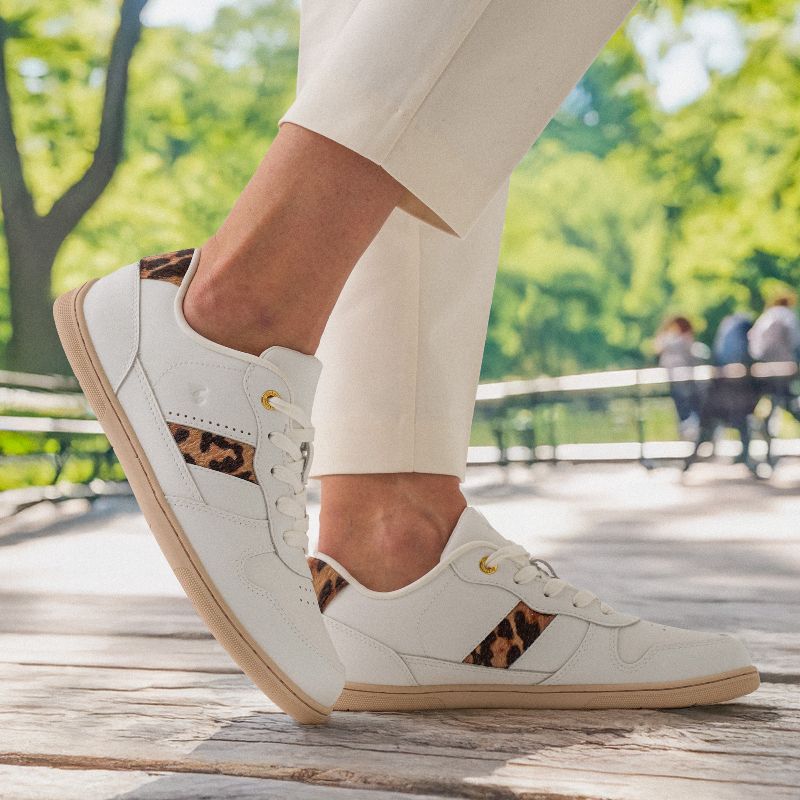
How Does Lifestyle Affect the Strength of the Foot Arch?
The foot is designed for movement. When it is used too little or always in the same way, its muscles gradually weaken.
- Long periods of sitting without natural movement
- Hard, flat, and repetitive surfaces
- Footwear that restricts toe function
- Lack of sensory input for the foot’s nervous system
How Does Barefoot Footwear Support the Foot Arch and Its Muscles?
Barefoot footwear does not provide artificial arch support. On the contrary, it creates conditions that allow the arch to engage and function on its own.
- The foot has space to spread naturally
- The toes actively contribute to stability
- Foot muscles respond to the surface beneath them
- The arch works dynamically rather than passively
Barefoot shoes do not shape the foot from the outside. They support its natural function from within, helping improve long term stability and control of movement.
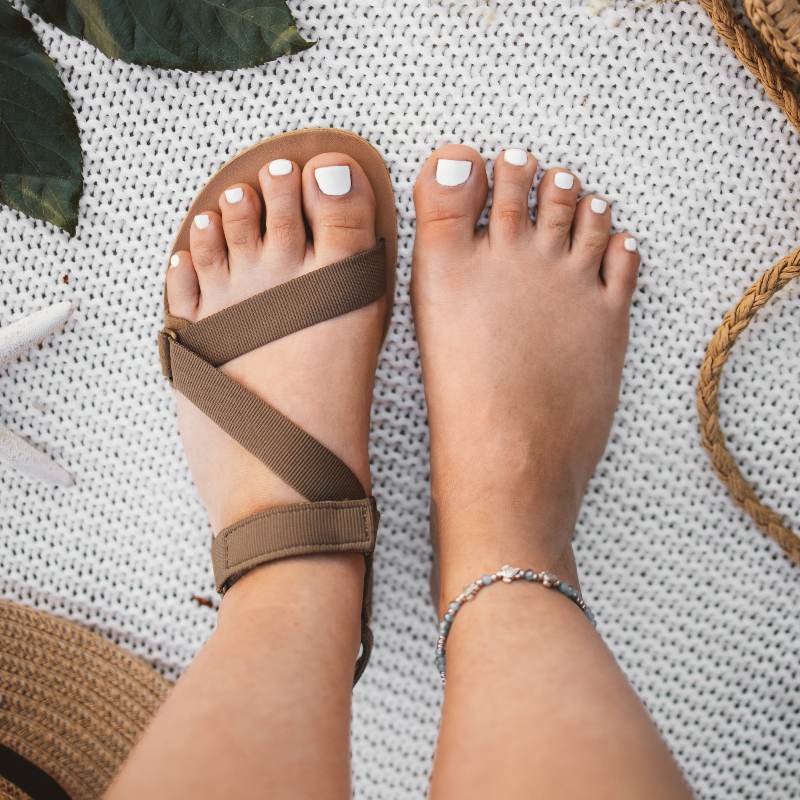
Where Did the Myth Come From That a Flat Sole Causes Flat Feet?
This myth comes from an older view of the foot as a passive structure. A flat sole was mistakenly associated with the idea of a collapsing arch.
- The arch does not collapse because of flat ground, but because of inactivity
- A flat sole on its own does not weaken muscles
- The real issue is long term lack of movement and uniform, repetitive motion
- Barefoot footwear supports variability, not passivity
A flat sole is therefore not the cause of flat feet. What truly matters is whether the foot has the opportunity to function naturally.

Source
- Buldt, A. K., Allan, J. J., Landorf, K. B., Menz, H. B. (2024).
- Kelly, L. A., Farris, D. J., Lichtwark, G. A., Cresswell, A. G. (2023).
Find your correct size with our size guide.
Explore the current collection of barefoot shoes.
Contact us if you need advice
What are flat feet?
+ -How do flat feet develop?
+ -They develop through a combination of genetic predisposition, muscle activity, and lifestyle, not from a single isolated factor.
Do flat feet have to be painful?
+ -No. Many people with flat feet experience no pain or limitation at all.
How does barefoot footwear affect the foot arch?
+ -Barefoot footwear allows natural activation of the foot muscles, supporting a functional and dynamic arch.
Do you think others should know about this too?
Share it :)